Cove Dishwashers: Plan Cleanup So Your Kitchen Works the Way You Live
Learn when one or two Cove dishwashers make sense, how quietly they run, how panel-ready or stainless changes your kitchen, and what to ask before you order.
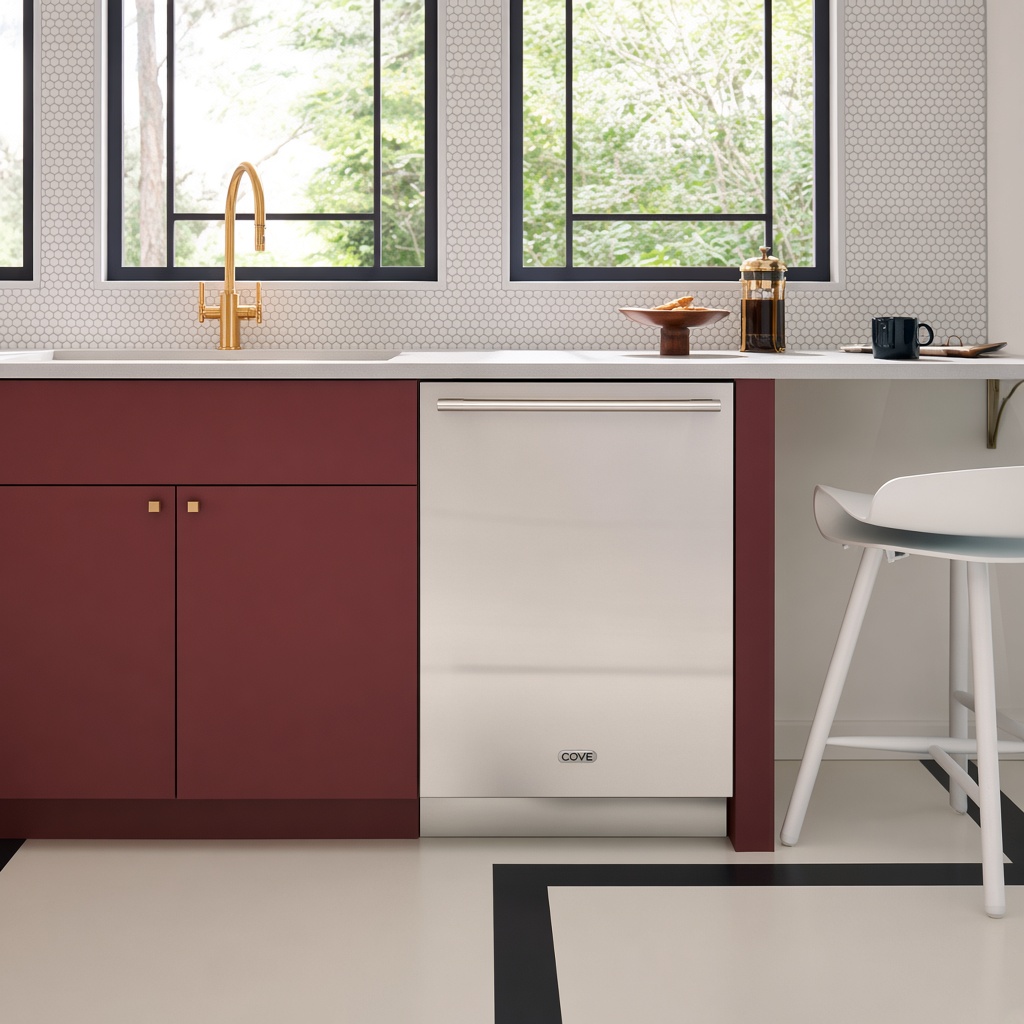
Dishwashers Are Simple Until You Plan the Kitchen Around Them
A dishwasher rarely gets top billing in a kitchen plan. But it's the appliance you open after every meal, and it shapes how smoothly your kitchen works on a busy night.
At The Luxury Kitchen, we help homeowners and kitchen designers settle three decisions when planning a Cove dishwasher:
- How many dishwashers your household needs
- Where they should go so cleanup flows naturally
- Whether they blend into your cabinetry or show up in stainless steel
This guide covers each one, starting with whether a single dishwasher is enough. If you're still sorting out the kitchen as a whole, our guide to the Sub-Zero, Wolf, and Cove appliance system is a good first read.
Who a Single Cove Dishwasher Suits
One Cove dishwasher is often enough for households that cook and eat at home regularly but host only occasional gatherings, not constant ones. It suits a small to mid-sized household that runs the dishwasher about once a day, and a kitchen with one main cleanup zone, where the sink and dishwasher sit together.
Cove is designed for flexibility, with racking meant to handle everything from stemware to large pots. Many households find that a single well-planned unit handles daily life comfortably.
When Two Dishwashers Make Sense (and Where They Tend to Go)
In upscale kitchens, two dishwashers are common. Consider a second unit if you:
- Entertain often. After a dinner party, one dishwasher can leave you hand-washing while it finishes its cycle. Two let you clear the table and start cleanup immediately.
- Have a large or busy household. With several cooks, kids, or multiple meals a day, a dishwasher can fill up quickly and sit full of clean dishes at the wrong moment.
- Run a second kitchen zone. A bar, butler's pantry, scullery, or secondary prep kitchen often benefits from its own cleanup point.
Common Placements for Two Dishwashers
- Flanking the main sink. Placing one on each side of the sink is a popular choice. It lets two people load at once, keeping cleanup close together.
- Main sink plus island or prep sink. One unit serves the primary cleanup zone and the other supports a prep sink or island.
- Main kitchen plus bar or auxiliary space. Glassware and entertaining dishes stay near where guests gather, and the main kitchen stays uncluttered.
Two dishwashers mean two sets of connections, including a likely dedicated electrical circuit for each. Include that in your plan early, so your cabinet and trade teams can coordinate.
Prefer a tailored recommendation for your kitchen?
Where to Place Your Dishwasher: Follow the Path of a Dirty Dish
The easiest way to test a placement is to follow a plate from the table to the cabinet. Where that path is short and clear, cleanup feels effortless. Where it isn't, you notice it every night.
- Start at the sink. The dishwasher should sit close to where you scrape plates, so you aren't carrying dirty dishes across the room. Put the trash and compost bins right there too, next to the sink or the dishwasher, so scraping and sorting happen in one motion.
One thing you won't need nearby: a pre-rinse station. Cove's four-stage filtration system is built to handle scraped dishes as-is, so there's no need to rinse before loading — in fact, it's not recommended. That makes the sink-to-dishwasher step even simpler, since scraping is the only prep required.
- Then check the space around the door. An open dishwasher door takes up more room than most people picture. Make sure it won't block a walkway, an island seating area, or a nearby appliance door, and that it won't collide with drawers or an adjacent corner. It also helps to picture the kitchen at its busiest. If guests are gathered and two people need the dishwasher at once, the traffic still has to flow.
- End at the cabinet.The path isn't finished until the dishes are put away. Plan for clean dishes, glasses, and flatware to live within a step or two of the dishwasher, so unloading takes a minute instead of a lap around the kitchen.
The same path applies to a second dishwasher at a bar or prep area. It needs a spot to scrape, a bin for scraps, and storage for glassware within reach.

Quiet Enough for Any Spot in Your Kitchen
Wherever you place your Cove dishwasher, it fits right in, because it's quiet and understated. That's true in a kitchen that opens to the living room, a galley layout, or a bar down the hall.
Cove is rated at 41 dBA (the exact level depends on the model, cycle, and options). Heavy-duty, sound-dampening insulation helps absorb noise and vibration, so the dishwasher stays in the background while you cook, host, or watch a show in the next room. It's just as discreet to look at. The control panel is hidden, and a small status light shows when a cycle is running.
Picture the end of a dinner party. The table is cleared, the plates are loaded, and you start a cycle while your guests linger over dessert. In an open kitchen, the dishwasher doesn't take over the room, and the conversation at the island carries on. Later, when everyone has gone home and you settle in to watch a show, the cycle is still running, and you don't have to turn up the TV or pause to talk. If you have a second dishwasher at a bar or near seating, it clears glassware while the party goes on, without competing with it.
The best way to appreciate how quiet it is, is to hear it. Visit our showroom for a demo and hear for yourself how quietly a Cove dishwasher runs.
Stainless Steel or Panel-Ready: Deciding How Your Dishwasher Shows Up
You're really choosing how visible the dishwasher will be in your kitchen. Each approach changes the look of the room and the planning that goes into it.
Stainless steel: the dishwasher is a visible design element.
Stainless steel is the more appliance-forward choice. It gives you a classic, professional look, and it works well when you want your appliances to coordinate with one another. Because the panel is a standard stainless product rather than a custom build, it's generally a simpler path. Order it in the right height for your opening, along with your preferred handle.
Panel-ready: the dishwasher blends into the cabinetry.
A panel-ready dishwasher takes a front that matches your cabinets, so it reads as part of the room rather than a separate appliance. That's why it's popular in open-concept and design-forward kitchens, where continuity matters. The look is seamless, but it takes coordination, because the panel becomes part of your cabinetry plan. A few details matter:
- Finish and material. Wood species, finish, and color tone should match the surrounding cabinets.
- Hardware. Handle style and placement should align with your pulls and other appliances.
- Reveals and gaps. Consistent spacing around the panel is what makes the result look intentional.
- Neighboring appliances. If your refrigerator is also panel-ready, the dishwasher should look like part of the same design.
If you're replacing a dishwasher in an existing kitchen, there's one more question to ask: can you reuse the panel you already have? The panel your cabinetmaker made for the old unit can often go on the new one. Whether it works comes down to a few things: the panel's size, its thickness and weight, how it mounts, and whether the handle placement still lines up. Even a close match can leave reveals that look slightly off, which is easier to catch before installation than after.
It's best to plan the panel early. Panel and cabinetry coordination is where projects get delayed when it isn't planned up front. It doesn't have to become a separate project. The Luxury Kitchen has the resources to help with panels, whether that means checking an existing panel for reuse or creating a new panel to match your kitchen's current design. That's especially useful in a kitchen that's already built, where the new panel has to blend with what's there. Deciding on panel-ready or stainless early lets your cabinet team, installers, and appliance order stay on the same timeline.
Questions to Ask Before You Order
- What is the current lead time? The Luxury Kitchen offers some of the fastest lead times in the industry, but it's still smart to confirm timing for the dishwasher, door panels, and handles, so your install schedule doesn't stall.
- Do we need a panel-ready dishwasher? Decide whether you want it to blend into your cabinetry or show up in stainless. If you choose panel-ready, The Luxury Kitchen can help with the panel.
- Which opening width are we planning for? Cove fits a 23⅝" (60 cm) or 24" opening. The narrower width gives tighter reveals, and the panel must be specified to match.
- Standard or ADA height? Make sure the model you choose fits your cabinetry and layout.
- Will the handle match, or are you going handle-less? Confirm the handle style and finish against your other Sub-Zero and Wolf appliances, or ask about ADA models, which allow for a sleek, handle-free design.
- Do we need a water softener model? Ask if it's worth considering for your home.
- Is the model number confirmed? Verify the exact model before cabinetry and rough-in details are locked.
See It in Person at The Luxury Kitchen Showroom
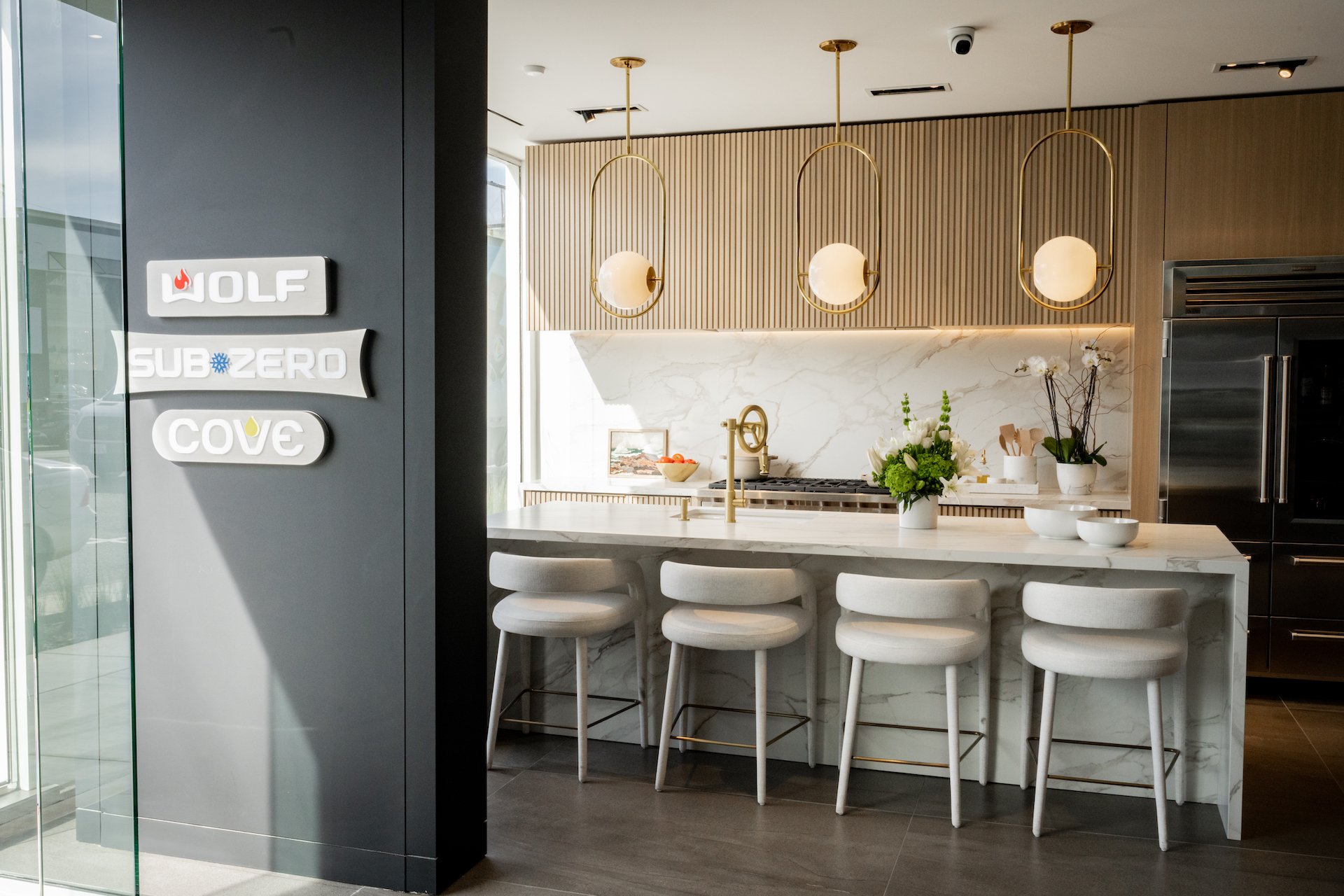
Located in West Hollywood, California, The Luxury Kitchen is a Sub‑Zero, Wolf, and Cove showroom with more than 90 appliances on display. Visit our live demonstration kitchen, attend Use & Care classes, and compare options with showroom consultants based on your layout and priorities.
What to Bring to a Consultation
If you’d like help choosing the right Cove setup, it’s most helpful to bring:
- Kitchen measurements or plans (a rough sketch is fine)
- Inspiration photos, especially of integrated or panel-ready looks
- Your must-haves versus nice-to-haves, ranked if possible
- Notes on your routine such as how often you cook, entertain, and run the dishwasher
- Your timeline for decisions and installation
Bringing It All Together
Choosing a Cove dishwasher isn't about finding the right size. It's about planning the right number of units in the right places, and deciding whether they blend into your cabinetry or sit as a stainless feature.
Define your cleanup zones early, and the rest of your appliance plan comes together more easily. If you're remodeling or building new, the best time to talk through your dishwasher plan is when your layout takes shape. A conversation then helps everything line up, from cabinetry to panels to installation.
Plan the cleanup around how you live, and the kitchen will work the way you want it to.
Book a Consultation
Explore the epitome of luxury and sophistication with The Luxury Kitchen. Whether you're seeking information on our exclusive Sub-Zero, Wolf, and Cove appliances, wish to inquire about pricing, or desire to arrange a personal consultation, our dedicated team is at your service.